
There is a quiet power in consistency, and it was on full display as the Grand Lodge of Nigeria once again demonstrated that true charity is not episodic but enduring. In a society where many acts of giving fade with the news cycle, the Free and Accepted Masons of Nigeria are steadily building a legacy rooted in compassion and responsibility.
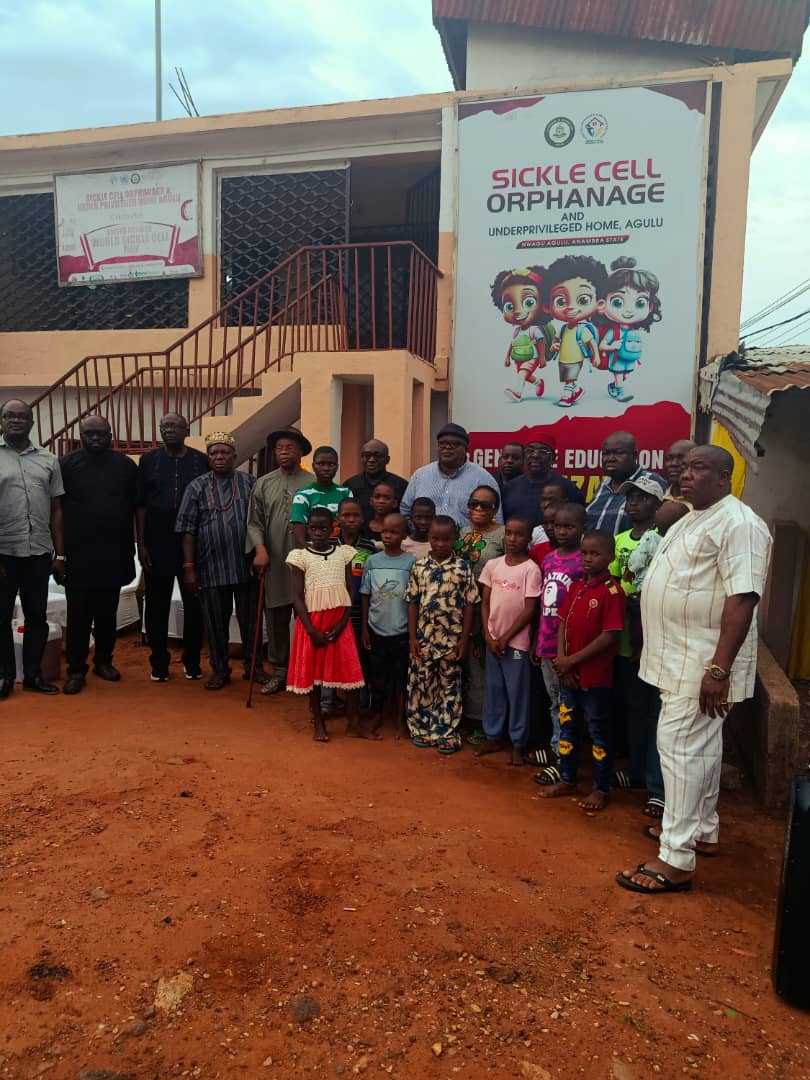
This renewed commitment came to the fore during a humanitarian visit to the Sickle Cell Orphanage and Underprivileged Home in Agulu, Anambra State, an engagement that has now evolved into a sustained partnership rather than a one off intervention. The visit followed closely on the heels of an earlier outreach by the Eastern Province, reinforcing a growing institutional bond.
Leading the delegation was the Most Worshipful Grandmaster, Chief Osiebe Eric Okojie, whose remarks underscored the philosophical depth behind the gesture. He noted that for Freemasons, charity is not an occasional duty but a defining principle embedded in their identity.
He explained that the fraternity’s values are anchored on three enduring pillars: brotherly love, relief, and truth. These principles, he said, compel members to view humanity as one family, extend support to the vulnerable, and uphold integrity in all dealings.
Chief Okojie commended the management of the Home for their unwavering dedication to children living with sickle cell disorder, describing their work as both emotionally demanding and socially invaluable. He assured them that the Grand Lodge would remain a consistent ally in their mission.
The visit drew the presence of several distinguished personalities across professional and leadership circles, reflecting the weight the fraternity attaches to social responsibility. Among them were Barrister Eberechi Adiele SAN, Chief Engr Chinwuba Adabanya, Assistant Grandmaster, Chief IG Williams, Chief Laz Enweruzo, Provincial Grandmaster Eastern Province, Chief Chibuzo Nnubia, and Rt Hon Ikem Uzoezie.
Also present was Dr Ezelum, a respected ophthalmologist whose role in facilitating the connection between the Lodge and the Home was widely acknowledged. Their collective presence signaled not just solidarity but a deliberate alignment of influence toward humanitarian causes.
The atmosphere reached an emotional peak as children of the Home expressed their gratitude through heartfelt speeches. Their voices, filled with resilience and hope, offered a poignant reminder of the human impact behind the statistics of sickle cell disorder in Nigeria.
In her remarks, the Director of the Home, Mrs Aisha Edward Maduagwu, conveyed deep appreciation to the visiting delegation, describing their continued support as both timely and transformative. She, however, used the moment to draw attention to broader systemic gaps.
She called on the influential visitors to amplify advocacy efforts by engaging policymakers and driving awareness at the highest levels of government. According to her, meaningful change would require more than goodwill, but deliberate policy action.
Central to her appeal was the urgent need for the full implementation of the Sickle Cell Law, a framework she believes holds the potential to significantly improve care, awareness, and protection for affected individuals across the country.
The Grand Lodge’s repeated engagement with the Agulu Home sends a strong message that true enlightenment must translate into service. Beyond symbolic gestures, it reflects a model of sustained intervention that prioritises continuity over publicity.
As Nigeria continues to grapple with the burden of sickle cell disorder, such partnerships offer a pathway for bridging gaps between private compassion and public responsibility. The hope remains that this influence will catalyse broader reforms, ensuring that every child living with the condition receives the care, dignity, and protection they deserve.