
…Nestle navigating turbulence, delivering growth”
In today’s evolving economic landscape, the intersection of finance, corporate reporting and societal impact is more pronounced than ever. For multinationals operating in challenging markets, financial statements tell more than profit and loss, they reveal how companies manage risk, support communities, and embed purpose into their business models.
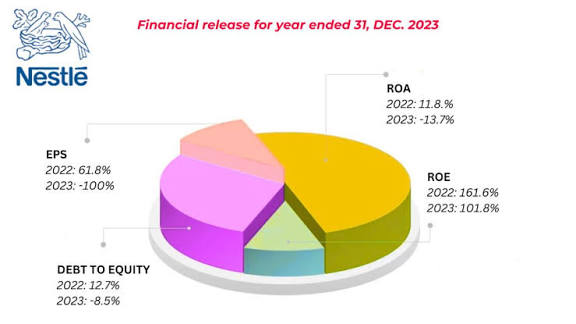
Take Nestle Nigeria. For the year ended 31 December 2024, the company reported revenue of ₦958.81 billion, up about 75 % from the prior year. Operating profit rose to ₦167.9 billion. At the same time, the company faced headwinds: cost of sales nearly doubled (up 97.7 %) to ₦652.46 billion, reflecting inflation, currency devaluation and cost pressures in Nigeria. Finance-costs surged due to foreign-currency obligations and interest costs: finance costs rose to US$261.67 million from US$155.54 million in 2023, while finance income fell to US$2.24 million from US$3.79 million. Meanwhile, on the balance-sheet front, liabilities climbed (loans from ₦402.3 billion in 2023 to ₦653.9 billion in H1 2024) and cash reserves fell sharply, placing focus on debt sustainability and liquidity.
In an increasingly complex and interconnected world, finance has emerged as a critical driver for long-term growth and resilience in the corporate sector. For organizations like Nestle, a global leader in food and beverage, the integration of inance principles is not merely a strategy for profitability; it is a fundamental approach that aligns financial performance with social and environmental responsibility.
Nestle’s commitment to finance reflects its understanding that financial decisions should contribute to broader societal goals, including economic stability, environmental protection, and community well-being.
In order to create shared value, Nestle’s financial framework emphasizes sustainability, nutrition, and community-building. By investing in responsible sourcing, innovative technologies, and community development initiatives, Nestle demonstrates that sustainable financial practices can lead to enhanced business performance while also fostering positive impacts on the communities it serves.
As we explore how Nestle leverages sustainable finance as a pathway to growth, we uncover a comprehensive approach that prioritizes transparency, accountability, and stakeholder engagement. From local sourcing practices that support farmers to investments in health and nutrition education, Nestle exemplifies how aligning financial strategies with sustainability can unlock new opportunities for growth and create a lasting legacy of positive change. Through this lens, we can appreciate the vital role that sustainable finance plays in shaping a more equitable and resilient future, not only for Nestle but for the global community at large.
Nestle’s financial strategy is rooted in the belief that sustainable growth is only achievable when financial decisions are made with long-term impacts in mind. This approach is reflected in its dedication to sustainable sourcing, efficient production processes, and investments in local communities. For instance, Nestle Nigeria prioritizes local sourcing of raw materials, which not only supports local farmers but also reduces the carbon footprint associated with transportation. This commitment to local sourcing is a cornerstone of Nestle’s financial strategy, ensuring that its operations contribute to the economic well-being of the communities in which it operates.
Nestle’s financial policies are also designed to promote transparency and accountability. By implementing robust financial controls and governance practices, the company ensures that its financial resources are allocated effectively, minimizing waste and maximizing impact. This commitment to transparency is critical, especially in a developing market like Nigeria, where trust and integrity are paramount for fostering stakeholder relationships.
Nestle recognizes that its most valuable asset is its people, and investing in human capital is a key aspect of its financial strategy. The company offers comprehensive training and development programs to empower employees, enhance their skills, and prepare them for leadership roles within the organization. This investment not only improves employee satisfaction and retention but also contributes to Nestle’s long-term financial performance.
Furthermore, Nestle Nigeria has established initiatives aimed at fostering entrepreneurship and financial literacy among local communities. Programs such as the Nestle Empowering Rural Women Project provide training and resources to women entrepreneurs, equipping them with the financial skills needed to run successful businesses. By supporting local entrepreneurs, Nestle not only contributes to job creation but also enhances the overall economic landscape, aligning with its core values of community-building and sustainability.
In an era marked by rapid technological advancement, Nestle is harnessing technology to streamline its financial processes and improve operational efficiency. The company has implemented cutting-edge financial management systems that facilitate real-time monitoring of financial performance, enabling swift decision-making and resource allocation. This technological integration is vital for enhancing Nestle’s responsiveness to market dynamics, ensuring that the company remains competitive and agile in a fast-evolving environment.
Moreover, Nestle’s commitment to sustainability is evident in its use of technology to drive environmentally friendly practices. By investing in renewable energy solutions and innovative production techniques, the company not only reduces its operational costs but also minimizes its environmental impact, showcasing how financial and sustainability objectives can align.
Nestle Nigeria’s financial strategy goes beyond corporate objectives; it is deeply rooted in community engagement. The company actively invests in community development projects that address local needs, such as nutrition education and access to clean water. These initiatives are financed through Nestle’s Creating Shared Value (CSV) framework, which emphasizes the importance of creating economic value while also improving social conditions.
In 2023, Nestle Nigeria launched the Nestle Nutrition Education Program, aimed at improving nutritional awareness among families in underserved communities. By providing educational resources and workshops, the program empowers families to make informed dietary choices, ultimately contributing to better health outcomes. This initiative not only enhances the quality of life for community members but also aligns with Nestle’s core focus on nutrition.
The success of Nestle Nigeria’s financial strategies has not gone unnoticed. At the recent Nestle Annual Awards Ceremony, the company was recognized for its outstanding contributions to sustainable finance and community development. The Financial Excellence Award was presented to Nestle Nigeria for its innovative financial practices that promote transparency, accountability, and community engagement. This recognition underscores Nestle’s commitment to excellence and reinforces its position as a leader in sustainable business practices.
During the ceremony, the Managing Director of Nestle Nigeria emphasized the importance of responsible financial management in achieving the company’s broader objectives. “Our financial strategies are not just about profit; they are about creating lasting impact in the communities we serve. We believe that sustainable growth is the key to unlocking potential, both for our business and for society as a whole,” he stated.
As Nestle continues to navigate the complexities of the global economy, its commitment to sustainable finance stands as a beacon of innovation and responsibility. By integrating financial strategies with sustainability principles, Nestle has demonstrated that long-term growth is attainable when businesses prioritize the well-being of people and the planet. This holistic approach not only enhances the company’s financial performance but also reinforces its role as a leader in creating shared value within the communities it serves.
Through initiatives that emphasize responsible sourcing, investments in human capital, and technology-driven efficiency, Nestle showcases how sustainable finance can serve as a powerful catalyst for positive change. By supporting local farmers, empowering communities, and promoting health and nutrition, the company underscores the interconnectedness of financial success and social impact. Nestle’s financial stewardship is not merely about generating profits; it is about building a resilient foundation for future generations, ensuring that economic growth goes hand in hand with social equity and environmental stewardship.
The recognition of Nestle’s efforts in sustainable finance, including awards and accolades, reflects its unwavering commitment to transparency and accountability. These achievements highlight the importance of engaging stakeholders and fostering collaboration to address pressing global challenges, from food security to climate change. As Nestle embarks on its next chapter, its dedication to sustainable finance will remain integral to its strategy, shaping the future of the company and the communities it impacts.
Nestle’s journey toward sustainable finance illustrates a profound truth: when businesses align their financial goals with the principles of sustainability, they not only enhance their own growth prospects but also contribute to a more equitable and sustainable world. As we look ahead, the lessons learned from Nestle’s approach can serve as a guiding framework for other organizations striving to achieve meaningful impact through responsible financial practices. In this way, finance emerges not just as a pathway to growth, but as a transformative force that can drive positive change across industries and communities, ultimately paving the way for a brighter, more sustainable future for all.