
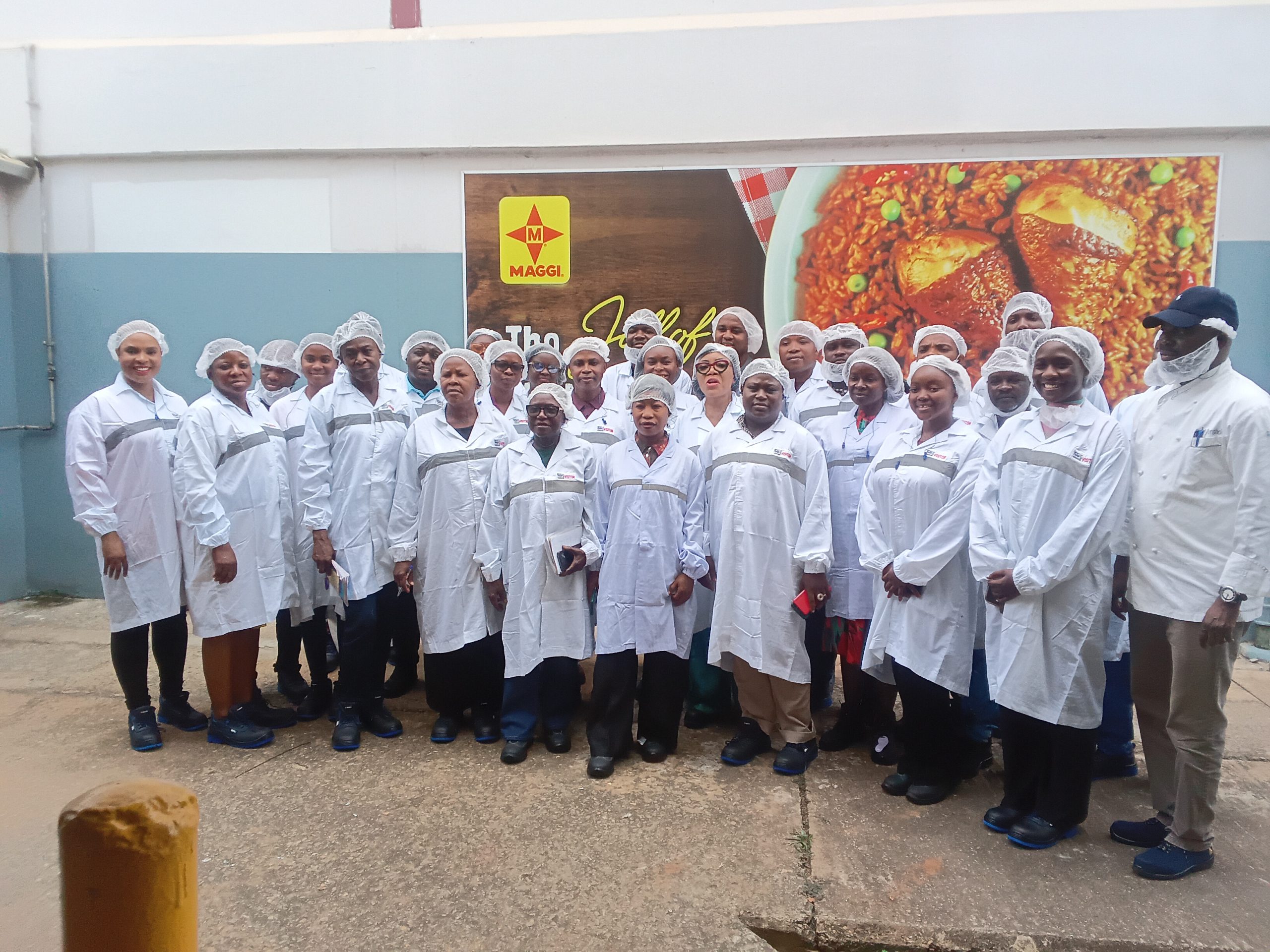
Nigeria, Africa’s most populous country, is facing an acute tension: food remains at the heart of life, yet for many households, nutrition is slipping out of reach. Inflation, insecurity, climate shocks, and supply chain bottlenecks are combining to make both staples and fortified/healthier foods costly. In this context, the business landscape around nutrition and affordable food solutions is increasingly not just an opportunity for entrepreneurs, but a policy imperative, a test of corporate citizenship, and a domain where good reporting can help drive real change.
Economic Context & Challenges
Inflation and food prices: Nigeria has recorded high rates of food inflation, placing a heavy burden on low and middle income families. For many, a large share of income goes on basic food staples, meaning nutrition quality is often sacrificed as households try to make ends meet.
Food insecurity: A growing number of Nigerians are experiencing acute food shortages. Conflict, climate change, displacement, and rising costs of inputs combine to reduce agricultural output and inflate costs across the board.
Policy levers & trade regulation: The government has intervened in various ways suspending certain food import taxes, stimulus packages, import quotas in attempts to buffer inflation, secure food supply, and support milling and processing industries.
Entrepreneurship & supply chain gaps: Across Nigeria there are entrepreneurs trying to plug gaps: small‑scale processors, food vendors, start‑ups producing fortified foods or plant‑based protein sources. However, they often confront high costs of raw materials, poor transport and power infrastructure, regulatory uncertainty, and low purchasing power among consumers.
Nestlé’s Strategy & Initiatives
Amid these pressures, Nestlé both globally and via its Nigeria or Central‑West Africa operations has been active in deploying solutions that seek to balance affordability, nutrition, sustainability, and business viability. Some of their initiatives stand out as case studies in how corporate business strategy can align with social need.
1. Product innovation and fortification
Golden Morn 3‑in‑1: Launched in Nigeria, this is a ready‑to‑eat cereal combining maize and soy with milk, requiring only water to prepare. It’s positioned as an affordable, convenient way to provide a complete meal, especially in households with limited time or resource to cook.
NIDO Milk & Soya: A product blend combining dairy with locally sourced soy to increase protein content, fiber, and essential micronutrients such as iron and calcium, while keeping cost more accessible. The local sourcing dimension helps with cost and supply chain resilience.
Fortification of existing staples: Many Nestlé products in Nigeria are fortified (e.g. micronutrients added) to address widespread deficiencies. For example, seasoning cubes (Maggi) now are enhanced with nutrients such as iron and iodine; cereals like Golden Morn include Vitamin A and Iron.
2. Affordable nutrition via markets & businesses
Maggi Soya Chunks & food vendor empowerment: As part of its “Business of Food” series, Nestlé Professional introduced Maggi Soya Chunks in Lagos, targeted to caterers, brigades of informal food vendors, grills, bukas (local food stalls), etc. One pack can feed up to eight people. The idea is to help food vendors maintain both profitability and nutritious offerings, even in challenging economic times.
Local sourcing & agriculture support: Nestlé sources maize, soy, etc., from Nigerian farmers. This both helps reduce input costs (by cutting down on import, transport, foreign‑exchange burdens) and supports livelihoods.
3. Education, awareness, public health & partnerships
Nestlé for Healthier Kids (NHK / N4HK): This is a school‑based programme across Central & West Africa including Nigeria, which engages children, teachers, and parents on healthy eating, hygiene, active lifestyles, and nutrition knowledge.
Workshops & journalist/nutritionist convenings: Events like the “Nutrition for All Life Stages” workshop (at their Agbara factory) bring together experts, media, civil society to spotlight nutrition, fortification, access, etc.
4. Sustainability & packaging, environmental considerations
Nestlé has newer packaging for Golden Morn that is 100% recyclable laminate. More broadly, the firm says over 80‑95% of its packaging in Nigeria is optimized for recyclability.
Climate resilience via tree planting at dairy demonstration farms, measures that protect environmental health and thus help secure the upstream parts of the food system.
Policy, Gap Areas & Opportunities for Growth
Even with strong corporate initiatives, many systemic challenges remain; and there are policy and structural areas where reporting and entrepreneurship can shine a light or help catalyse change.
Regulatory environment & food safety: Ensuring fortification standards are enforced, labeling is clear, safety in processing (especially among SMEs and local vendors) is upheld.
Supply chain infrastructure: Bad roads, unreliable electricity, high transport costs all add to final cost of foods. Improved infrastructure (rural roads, storage, cold chain) helps reduce wastage and cost.
Access to finance for small players: Many food start‑ups, small processors, or food vendors struggle to get credit or investment, especially with consistent, affordable inputs.
Consumer education & behaviour: Lack of awareness about nutrition, about hidden hunger (micronutrient deficiency), sometimes distrust of fortified products or supplements. Programs like NHK help, but more scale is needed.
Public policy supports & subsidies: While import tax reliefs or suspension helps, the balance must include incentives for local food production and fortification. Agricultural policy to support farmers of maize, soy, etc.
Digital/market innovations: Opportunities in e‑commerce, mobile tools, supply chain traceability, innovations that reduce cost from producer to consumer.
Why Impactful Reporting Matters
Reporting isn’t just about describing what’s being done, it can help shift policy, amplify effective models, expose gaps, and mobilise public opinion or private investment. Some ways in which journalism can drive change in this sphere:
Case studies of successful, scalable models (e.g. Nestlé’s Golden Morn 3‑in‑1, NIDO Milk & Soya) can inspire replication or public‑private partnership.
Tracking nutritional outcomes (e.g. stunting, anemia, malnutrition) with data can show whether interventions are working, or where they are failing.
Investigations into where fortification or food safety regulations are weak can lead to enforcement or legislative change.
Highlighting voices of small vendors, consumers, nutritionists, farmers; showing how cost pressures affect real choices.
Monitoring corporate responsibility: Are sustainability, recyclable packaging, environmental impact, and community health promises being kept? Are trade‑offs being made (e.g. sugar levels, salt, fat content)?
Conclusion & Looking Forward
Nigeria is at a crossroads. Economic growth is possible, but if rising food costs, malnutrition, and inequality persist, the gains will be fragile. Corporate actors like Nestlé, with their scale, R&D, and resources, can play a powerful role in making nutritious food more affordable, accessible, and sustainable. But lasting change will require aligned policies, infrastructure, empowered entrepreneurship, and informed consumers.
For media and reporting, the mission is rich: to illuminate both what works and what doesn’t, to hold actors accountable, to lift up scalable solutions from communities, and to keep nutrition front and centre in discussions of health, business, and human dignity.