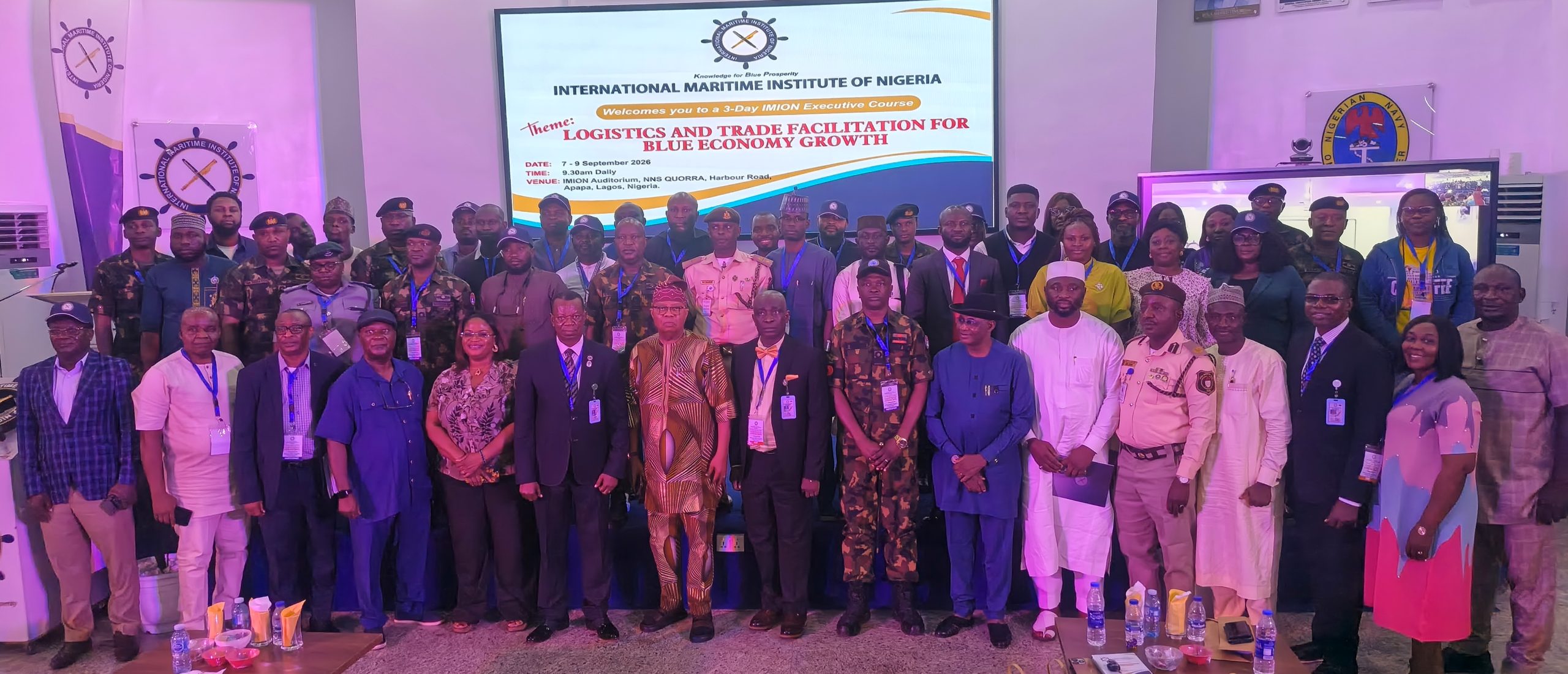
The International Maritime Institute of Nigeria (IMION) has called for coordinated reforms across the maritime and logistics sectors to reduce port delays, lower transaction costs and strengthen Nigeria’s competitiveness in global trade.
The institute’s Director General, Rear Admiral Thaddeus Udofia (Rtd.), made the call on Wednesday at the closing ceremony of a three day executive programme on “Logistics and Trade Facilitation for Blue Economy Growth” held at the IMION Auditorium, NNS QUORRA, Apapa, Lagos.
Udofia said Nigeria’s vast maritime resources could not translate into sustainable economic prosperity without a fundamental improvement in logistics, trade facilitation and the overall efficiency of the maritime value chain.
He said the programme, which brought together professionals and executives from 24 organisations, was designed to confront the operational realities limiting the country’s ability to fully harness its blue economy.
According to him, the intensive three day programme provided participants with practical exposure to logistics management, customs modernisation, trade facilitation, sustainable blue economy strategies and maritime growth.
Udofia said the discussions examined persistent challenges including port inefficiencies, avoidable delays, high transaction costs, bureaucratic bottlenecks, inter agency rivalry and inadequate hinterland connectivity.
He noted that these challenges continued to weaken Nigeria’s competitive position and increase the cost of doing business within the country.
The IMION DG also stressed the need for stronger multimodal integration, saying efficient customs processes and port operations must be supported by seamless connections between maritime, road, rail and other transportation networks.

He identified weaknesses in the maritime value chain, particularly inadequate cold chain infrastructure, as a major constraint to the development of Nigeria’s fisheries and aquaculture sectors.
Udofia said the diversity of expertise and quality of participation during the programme demonstrated that developing Nigeria’s blue economy required collective action rather than isolated efforts by individual institutions.
He urged the participants to transform the knowledge gained during the programme into practical reforms within their respective organisations.
“Trade facilitation is not merely about moving cargo faster,” he said, stressing that it was about creating an efficient ecosystem where businesses could trade with confidence, investors could operate efficiently and government could collect legitimate revenue.
He warned that Nigeria risked losing cargo to competing regional hubs if transit times remained uncompetitive, logistics costs continued to rise and trade processes remained insufficiently transparent and digitally integrated.
Udofia therefore called for synchronised action among the Nigeria Customs Service, port authorities, security agencies, regulators, investors and private logistics operators.
He urged participants to champion data sharing, digital transparency and reforms capable of reducing friction throughout the ports and wider logistics chain.
He also called for measures that would improve import efficiency, reduce unnecessary delays, lower logistics costs and strengthen regulatory coordination through technology and innovation.
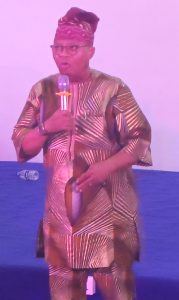
In his remarks, a member of the Governing Board IMION, Rear Admiral Akin Johnson (Rtd.), described the programme as a valuable platform for addressing the complexities of maritime logistics and trade facilitation.
Johnson, who described himself as “retired but not tired,” said the three day engagement had generated significant knowledge and provided participants with an opportunity to examine practical challenges confronting the maritime sector.
He emphasised the importance of political will and commitment in achieving meaningful reforms, urging participants to return to their respective organisations determined to apply what they had learned.
He also advocated a multidisciplinary approach to solving maritime challenges, noting that logistics, trade, blue economy development and supply chain management required different areas of expertise working towards a common objective.
Johnson further warned that effective strategies could fail where organisations lacked the right institutional culture, stressing that appropriate organisational culture was essential to sustaining reforms.

IMION Consultant
Speaking via virtual IMION Consultant, Barrister Mfon Usoro, said the programme was deliberately structured around practical industry challenges rather than purely academic instruction.
Usoro disclosed that IMION had commenced engagement with the Admiralty University of Nigeria towards strengthening the value and recognition of certificates issued through its programmes.
She said the institute was also exploring partnerships with other institutions to ensure that its executive courses could contribute meaningfully to participants’ career progression, professional development and admission into further qualifying programmes.
Usoro urged participants to provide feedback on areas of logistics and trade facilitation requiring additional training, saying such suggestions would help IMION design future programmes around industry needs.
The closing ceremony also featured presentations by four participant groups, with a panel of judges evaluating their understanding of logistics, trade facilitation, integrated systems and blue economy development.
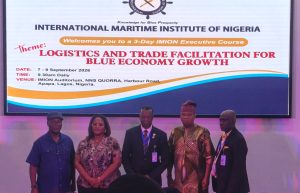
One of the judges, Dr Eugene Ituah, commended all the groups for their performances, saying the participants demonstrated strong understanding of the issues despite the limited time available for their assignments.
Ituah particularly praised Group One for highlighting the need to overcome siloed systems through integration and for incorporating measurable key performance indicators into its presentation.
He also commended Group Three for demonstrating teamwork and Group Four for developing its presentation within the limited time available, while urging participants to take greater ownership of problems and proposed solutions.
The final scores placed Group One first with 245 points, followed by Group Two with 236 points, Group Four with 214 points and Group Three with 190 points.
In his vote of thanks, the Chairman of EMSEE Shipping Line Limited, Mr Victor Enebeli, who spoke on behalf of the winning Group One and other participants, expressed appreciation to IMION, its facilitators and supporting institutions for the programme.
Enebeli said the participants would return to their respective businesses and organisations with the responsibility of applying the knowledge acquired during the training to improve their professional contributions and the wider maritime sector.
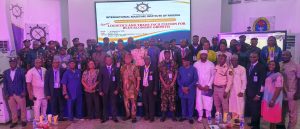
Udofia thanked the Chief of the Naval Staff, Vice Admiral Idi Abbas, members of the governing board, consultants, resource persons and all participating organisations for their support.
He said the real measure of the programme’s success would not be the certificates presented to participants but the practical improvements they would make after returning to their various workplaces.
The IMION DG reaffirmed the institute’s commitment to serving as a centre of excellence for research, capacity development and policy advocacy across the maritime sector, including Nigeria’s emerging blue economy.
The programme ended with Udofia congratulating the participants and inviting them to a cocktail reception as the institute formally brought the three day executive engagement to a close.