
Growing concerns over insecurity in Nigeria have sparked renewed calls for a comprehensive audit of the nation’s tourism and hospitality sector amid fears that criminal networks may be exploiting loopholes within the industry.
A tourism expert and industry stakeholder, Frank Meke, warned that the country’s soft tourism and hospitality environment has increasingly become vulnerable to infiltration by subversive elements, criminal syndicates and economic saboteurs.
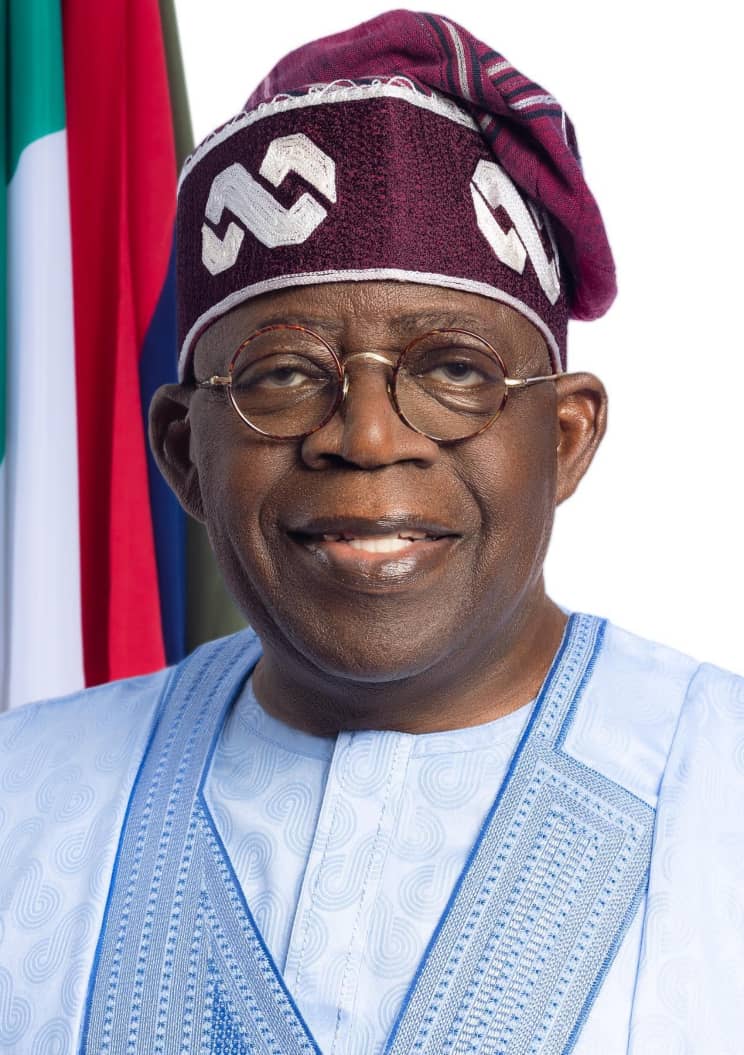
His position followed recent remarks by Bola Ahmed Tinubu, who declared that forces working against his administration include sponsors of insecurity, kidnappers and individuals allegedly hiding under legitimate businesses and political platforms.
Meke argued that despite the enormous economic and cultural potential of tourism, Nigeria has failed to establish a comprehensive and verifiable database for operators within the hospitality, travel and transport ecosystem.
According to him, the absence of an updated national register for hotels, travel agencies, logistics operators and boat services has created dangerous gaps now being exploited by criminal cartels masquerading as legitimate operators.
He noted that security agencies have in recent months uncovered cases involving hotels allegedly used as safe houses for kidnappers and illicit drug traffickers, while some fake travel agencies were reportedly linked to human trafficking and transnational organised crimes.
The tourism analyst also raised concerns over the activities of some non scheduled aviation operators, alleging that private aviation assets may have been deployed for illegal movement of persons and unregistered cargo across the country.
He however acknowledged ongoing regulatory efforts by the Nigeria Civil Aviation Authority to strengthen the inventory and monitoring of private jet operations within the aviation sector.
On inland waterways, Meke commended the enforcement initiatives of the National Inland Waterways Authority aimed at compelling registration of boat operators and shutting down illegal jetties allegedly used for smuggling and other criminal activities.
He further disclosed that increased stop and search operations on highways and waterways by security agencies indicate growing concerns over the activities of organised criminal networks hiding within transport and tourism value chains.
The tourism expert also referenced recent seizures of illegally trafficked wildlife and natural resources by the Nigeria Customs Service, warning that Nigeria risks becoming a major operational hub for international smuggling cartels if urgent reforms are not implemented.
Meke maintained that the administration of President Tinubu has already initiated broader reforms across several sectors, insisting that the tourism and hospitality industry should not be exempted from national accountability and security audits.
He called for the full implementation of regulatory reforms under the National Institute for Hospitality and Tourism, stressing that resistance to professional registration and certification could be linked to attempts to evade scrutiny and taxation.
According to him, many of the attacks against NIHOTOUR reforms are allegedly being driven by operators afraid of exposing questionable business practices, including tax evasion and other illicit activities hidden within the industry.
Meke urged the Nigeria Police Force, alongside immigration, customs, anti narcotics agencies and the Ministry of Justice, to launch a coordinated investigation into tourism related associations and operators, warning that failure to sanitise the sector could pose deeper national security threats in the future.