
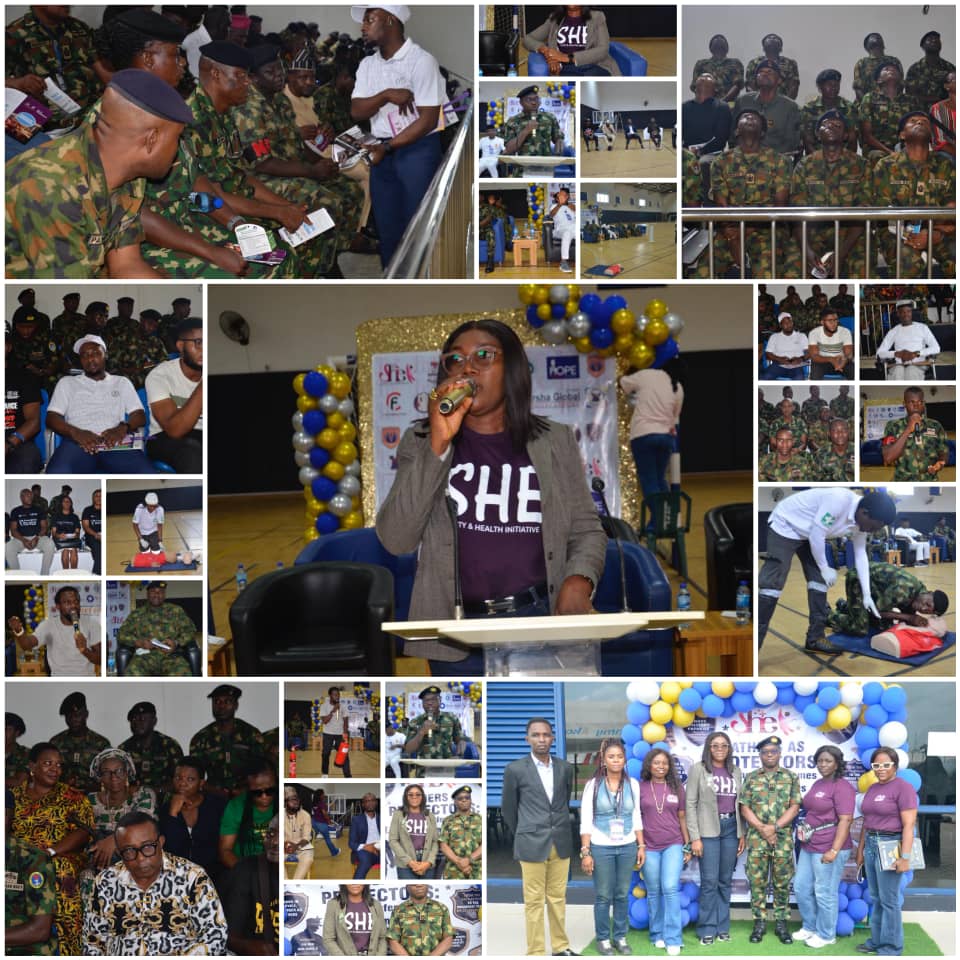
Calls for systemic reform in addressing the mental and emotional well-being of Nigerian military personnel gained fresh momentum on Friday, as the SHE Safety and Health Initiative hosted a landmark event in collaboration with the Nigerian Navy at Navy Town, Lagos.

The programme, themed “Fathers as Protectors: Building Safer Homes and Communities,” served as a platform to spotlight the silent burdens borne by military fathers who juggle national service and family responsibilities—often at the cost of their mental health.
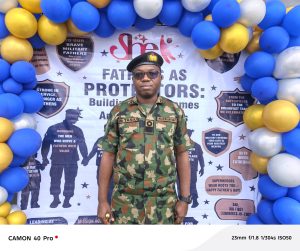
Representing the Flag Officer Commanding (FOC) Western Naval Command, Rear Admiral Michael Oamen, Commodore Tasiu
Shehu Mohammed Tasiu delivered a compelling address underscoring the psychological toll of masculinity within military culture. “Men endure silently. We suffer strokes, depression, and unspoken pain in the name of ‘being a man,’” he said. “The vacuum a father leaves behind can never truly be filled, and yet we are not given room to express our trauma.”
He stressed the importance of institutionalising mental health support in the military, advocating for revised operational schedules that would allow service members to spend quality time with their families. “A mentally balanced officer is a better soldier,” he added.
The forum delved into often-overlooked issues such as domestic violence against men, emotional burnout, and the lack of safe channels for military personnel to report abuse or psychological distress. “This initiative has revealed what many have whispered but never voiced,” said Agwada Reginald, a panelist during a session on domestic abuse. “Yes, men are being abused—emotionally and physically. But there is no safe channel to report it within the system.”
Ambassador Mabel Abel-Onaiwu, founder of the SHE Initiative, called for a holistic approach to family welfare. “Men are falling apart while the world expects them to be pillars,” she said. “Our work is to make sure the family unit is holistically healthy. That means supporting the fathers too.”
She announced that the campaign would expand to Abuja, and eventually cover the Army and Air Force bases. “Today is Lagos. Tomorrow will be Abuja. Then the Army and the Air Force. We are starting a movement to make military wellness a policy priority.”
The event also included practical sessions such as CPR training, fire safety drills, and mental health management techniques—essential skills positioned not as symbolic gestures but as critical tools for military families.
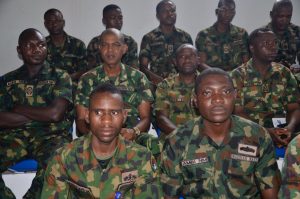
Participants, including Master Warrant Officer Ishola Desmond Kehinde and MWO Kariya M.G. of Naval Dockyard, praised the initiative, calling for it to evolve into a continuous support framework. “This event should not be a one-off,” Kehinde noted, while Kariya described the safety sessions as “potentially lifesaving.”
In closing, Ambassador Onayiwu offered a sobering message: “Fathers don’t just defend the nation, they also hold up the homes. If we don’t help them carry that weight, both systems will collapse.”
With certificates presented and new alliances forged, the SHE Initiative leaves Navy Town not just with applause, but with the first spark of a cultural shift. For real impact, however, organisers insist that the military must take the next step—by making these conversations part of institutional policy. Until then, the SHE Initiative vows to keep pushing—one base at a time.