
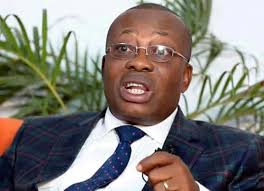
Prominent legal practitioner and policy analyst, Dr. Monday Onyekachi Ubani (SAN), has raised alarm over what he describes as a dangerous descent into tribal politics in Lagos State, following the recent decision to rename Charly Boy Bus Stop in Bariga Local Council Development Area (LCDA) to Baddo Bus Stop in honour of popular Nigerian artist Olamide.
In a strongly-worded statement, Dr. Ubani criticized the action of the outgoing Chairman of Bariga LCDA, Hon. Kolade Alabi David, stating that it reflects a broader and disturbing pattern of erasing historical street names associated with non-Yoruba residents in Lagos.
“What once was a cosmopolitan city that embraced all tribes, cultures, and peoples is sliding into an ethnocentric experiment,” Ubani noted, adding that such renaming exercises often take place without public consultation or clear policy guidelines.
Dr. Ubani, who has lived in Lagos since the 1980s and once served as Chairman of the Nigerian Bar Association (NBA), Ikeja Branch, expressed concern that this practice may alienate ethnic communities, particularly the Igbo, whose contributions to the growth and development of Lagos remain significant.
He questioned the rationale behind the removal of certain names:
“Were the original names imposed illegally? Were they not approved by the same arms of government now reversing them with reckless abandon?”
The legal expert warned that in a country grappling with insecurity, ethnic profiling, and threats to national unity, actions by local government officials that fuel division could have far-reaching consequences.
“If Lagos must continue to shine as the commercial capital of Nigeria, then it must be managed with maturity and inclusiveness,” he said.
Dr. Ubani emphasized that street naming should reflect national unity and inclusiveness, not serve as a tool for rewriting history or promoting ethnic superiority.
“It is not enough to name a street after one musician while simultaneously removing another who also carries sentimental or historical significance. These acts, however subtle, communicate hostility to coexistence and must be halted immediately.”
He called on the Lagos State Government and the Ministry of Local Government and Chieftaincy Affairs to provide clarity on the recent renaming actions.
“Were these names removed with the consent of residents? Was there any public hearing or community input?” he queried.
According to Ubani, policies that exclude or erase communities are inconsistent with the ideals of democracy and nation-building. He urged authorities to reverse the trend before it becomes entrenched.
“Lagos must not become a theatre of ethnic cleansing through street names. Let aggravated and systemic hatred through public policy be stopped. It is a solemn plea,” he concluded.