
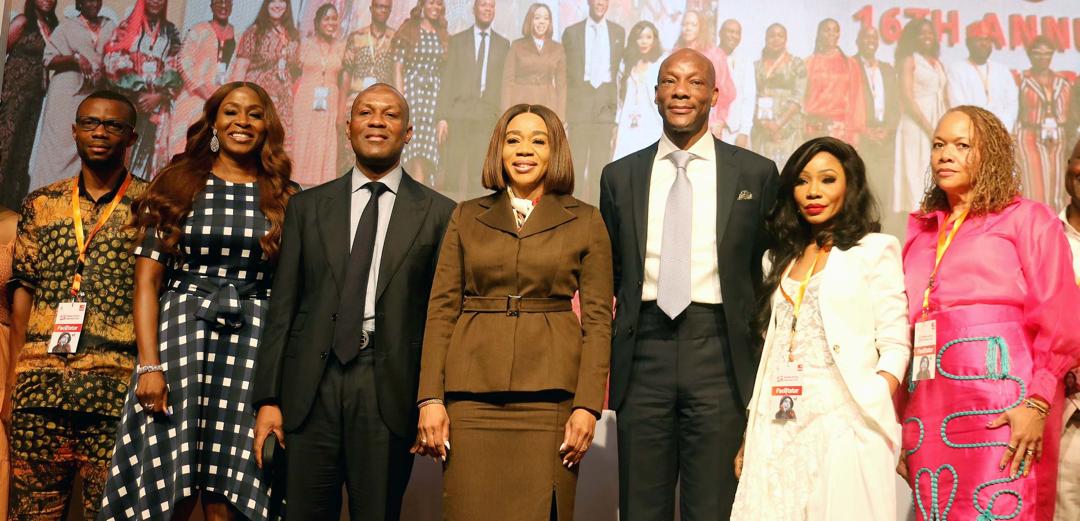
The 16th GTCO Annual Autism Conference concluded with a strong call for practical inclusion, urging families, schools, employers and government institutions to move beyond awareness and embrace meaningful acceptance of people living with autism.

Held under the theme, “Acceptance in Action: From Family to Classroom to Workplace to Public Spaces,” the conference brought together parents, teachers, healthcare professionals, employers, policymakers, autism specialists and individuals on the autism spectrum to explore practical ways of building a more inclusive society.
Throughout the two-day event, speakers agreed that awareness alone is no longer enough. They stressed that autistic individuals deserve equal opportunities in education, employment, healthcare and community life through deliberate policies and everyday actions.
GTCO Group Chief Executive Officer, Segun Agbaje, said creating an inclusive society is a shared responsibility. He noted that although public understanding of autism has improved significantly over the past 16 years, sustained efforts are still required to ensure autistic individuals receive the support they need to live productive and fulfilling lives.
The conference featured renowned local and international autism experts who examined critical issues including early diagnosis, speech and language development, behavioural intervention, inclusive education, mental health support, caregiver wellbeing and employment opportunities for autistic adults.
Experts urged stakeholders to shift attention from perceived limitations to the unique strengths, talents and capabilities of people on the autism spectrum, noting that many can excel when provided with appropriate support and enabling environments.
Family support emerged as another major focus. Specialists encouraged parents to create nurturing home environments while maintaining close collaboration with teachers, therapists and healthcare providers to improve developmental outcomes for autistic children.
Participants also highlighted the emotional and physical demands placed on parents and caregivers. They called for stronger support systems, counselling services and community networks to help families navigate the challenges associated with long-term autism care.
Education stakeholders advocated more inclusive schools where teachers receive specialised training to effectively support learners with autism. They emphasised that classrooms should be structured to enable autistic children to learn, participate and thrive alongside their peers.
Employment inclusion also received significant attention. Speakers challenged employers to embrace neurodiversity by creating workplaces that provide reasonable accommodations, arguing that autistic employees possess valuable skills capable of driving innovation and business growth.
One of the most impactful moments of the conference came from autistic individuals who shared their personal experiences. Their testimonies offered participants deeper insight into the realities of living with autism while reinforcing the need for greater empathy, respect and social inclusion.
To extend the conference’s impact, GTCO announced free one-on-one consultation sessions with developmental paediatricians, psychologists, speech therapists, occupational therapists, behaviour analysts and parent counsellors. The consultations will run from July 29 to August 1, 2026, at the Adeyemi Bero Auditorium, Alausa Secretariat, Ikeja, Lagos, providing professional guidance on diagnosis, intervention and long-term care.
The conference programme included keynote presentations, expert panel discussions, practical workshops, interactive question-and-answer sessions and networking engagements that enabled parents, professionals and advocates to exchange knowledge and develop practical strategies for improving autism support services.
As Day Two drew to a close, participants reflected on the lessons gained and pledged to champion inclusion within their homes, schools, workplaces and communities. GTCO encouraged the public to continue engaging with the conference sessions through its YouTube platform while translating the conference theme into everyday actions.
The organisers reaffirmed their commitment to supporting families, strengthening professional capacity and promoting systems that empower people living with autism. They maintained that building an inclusive society requires sustained collaboration and intentional action to ensure autistic individuals are respected, welcomed and given every opportunity to realise their full potential.