
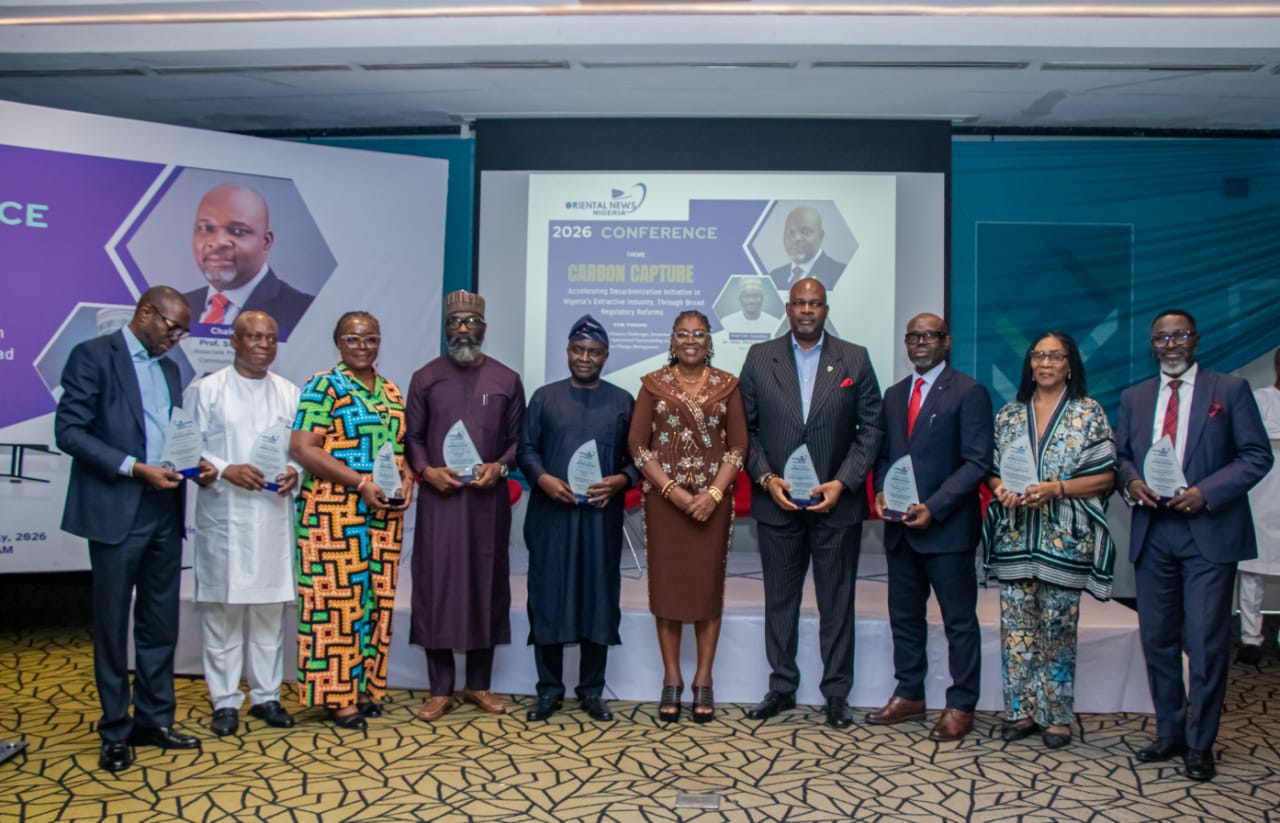

MD/ CEO REA
The Rural Electrification Agency and Sahara Group have called for a practical, investment driven and development focused approach to Nigeria’s decarbonisation agenda, stressing that clean energy, regulatory reforms and carbon capture must work together to strengthen economic growth, improve electricity access and attract long term investments.
The call was made at the 2026 Oriental News Conference held in Ikeja, Lagos, where government officials, regulators, financial experts and energy stakeholders examined pathways for accelerating decarbonisation across Nigeria’s extractive industry.
Speaking on behalf of the Managing Director and Chief Executive Officer of the Rural Electrification Agency, Abba Aliyu, the Executive Director, Corporate Services, described the conference as a timely intervention in Nigeria’s transition to a cleaner and more resilient energy future.
He commended Oriental News Nigeria for creating a platform that encourages robust discussions on climate change, sustainability, regulatory reforms and investment opportunities within the nation’s energy sector.
According to him, Nigeria’s decarbonisation strategy must extend beyond reducing emissions to include industrial development, energy security, economic competitiveness, climate resilience and inclusive national growth.
He noted that the country’s expanding population, rising electricity demand and infrastructure deficits require a balanced strategy that simultaneously delivers reliable power, supports industrialisation and lowers carbon emissions.
The REA executive explained that renewable energy has already demonstrated its capacity to transform communities by powering schools, healthcare centres, markets, farms and small businesses while reducing dependence on diesel generators.
He said the agency’s interventions have created new investment opportunities, expanded productive economic activities and strengthened Nigeria’s decentralised energy system through practical renewable energy deployment.
Highlighting several flagship initiatives, he referenced the Nigeria Electrification Project, the Distributed Access through Renewable Energy Scale Up Programme, the Energising Education Programme and the National Public Sector Solarisation Initiative as major drivers of clean energy expansion.
According to him, the future of renewable energy lies in supporting productive economic activities, insisting that mini grids should power industries, agro processing facilities, markets, healthcare institutions and educational centres rather than only household lighting.
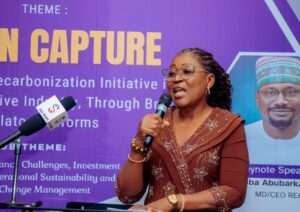
Publisher,
Oriental News Nigeria
He maintained that linking renewable energy with productive use would improve community incomes, create jobs, strengthen project sustainability and accelerate rural economic development.
The keynote speaker also challenged operators within the oil, gas and mining sectors to integrate renewable energy into their operations by reducing diesel consumption, improving environmental performance and supporting host communities with sustainable infrastructure.
He argued that clean energy should become an essential component of responsible extractive operations through solar hybrid systems, mini grids, energy efficient technologies and digital monitoring solutions.
The agency further stressed the importance of coordinated planning, data driven investments and stronger collaboration among federal and state governments, regulators, investors and development partners.
He explained that the Electricity Act 2023 has opened fresh opportunities for embedded generation, state electricity markets and decentralised power systems, making policy coordination more important than ever before.
The REA also advocated stronger local manufacturing, skills development and domestic value addition, saying Nigeria’s energy transition should stimulate industrial growth instead of increasing dependence on imported technologies.
Addressing financing challenges, the agency called for blended finance models, performance based grants, public private partnerships, green finance platforms and stronger project preparation to improve bankability.
It further identified carbon markets, renewable energy certificates and emissions reduction instruments as additional financing mechanisms capable of attracting private capital into renewable energy projects.
The keynote concluded that Nigeria’s energy transition should move from fragmented interventions to coordinated national planning capable of delivering clean energy, economic growth, employment generation and climate resilience.

GMD Sahara Groups
Also delivering his presentation as a Guest Speaker on behalf of Sahara Group Managing Director, Engr. Kola Adesina, Engr. Leste Aihevba urged Nigeria to build a decarbonisation pathway that reflects the country’s unique development realities instead of replicating foreign models.
He observed that Nigeria requires more energy to support industries, employment and economic expansion while reducing the carbon intensity of future growth.
According to him, carbon capture alone cannot deliver decarbonisation unless supported by clear regulations covering carbon ownership, storage rights, monitoring, incentives, permitting processes and long term liability.
Aihevba said Nigeria already possesses considerable geological potential for carbon storage, citing the Nigerian CO₂ Storage Atlas, which identified Lagos, Port Harcourt and Warri as promising locations for future carbon capture clusters.
He, however cautioned that geological potential alone would not attract investments without reliable governance structures, transparent regulations, bankable projects, affordable financing and credible environmental reporting.
The Sahara Group representative identified financing as one of the biggest obstacles to carbon capture projects, recommending blended finance, development funding, guarantees, transition bonds and fiscal incentives to reduce investor risks.
He also encouraged government and industry to establish shared carbon capture hubs, strengthen independent emissions verification, develop Nigerian technical expertise and create an investable national carbon management framework.
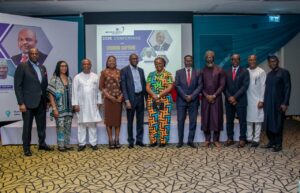
Concluding the conference, both speakers agreed that Nigeria’s future competitiveness would depend on its ability to translate climate commitments into practical investments capable of expanding energy access, strengthening industries, reducing emissions and positioning the country as a leading destination for sustainable energy investment in Africa.