
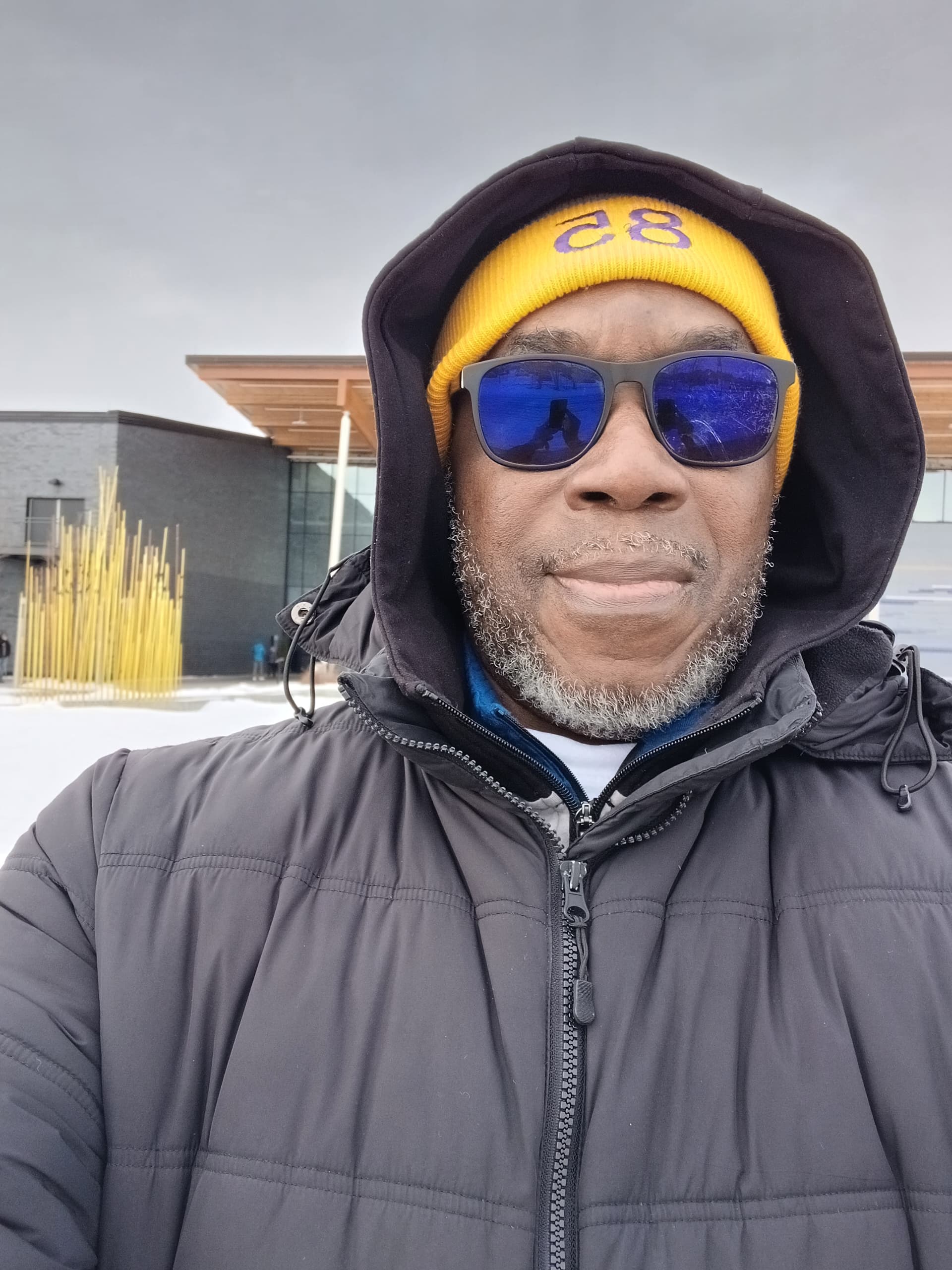
What began as a personal fitness commitment has evolved into one of the fastest-growing wellness advocacy movements built around a simple idea, walking. At the centre of the initiative is Lorenz Mba, widely known as the “Waka Man.”
In September 2021, Mba transformed his passion for healthy living into the Waka Community International Foundation, a nonprofit platform promoting preventive healthcare through daily movement and lifestyle discipline.
The movement, popularly called “wakaing,” encourages people to embrace walking as a sustainable pathway to physical fitness, mental wellness and long-term health.
Beyond walking, the foundation advocates responsible nutrition, proper hydration, quality sleep, resistance training and healthier daily habits designed to improve overall wellbeing.
What distinguishes the Waka philosophy is its simplicity. The foundation insists that health should not feel exclusive, expensive or intimidating to ordinary people.
Mba believes walking removes many of the barriers preventing millions from pursuing healthier lifestyles. No gym subscriptions, expensive equipment or advanced fitness training are required.
According to the foundation, consistency matters more than intensity. Its message is straightforward: small daily habits produce lasting results when practised over time.
The movement has rapidly expanded beyond Nigeria, attracting members across multiple countries through local chapters, virtual fitness challenges and community walking groups.
Supporters describe the initiative as more than exercise. Many participants see wakaing as a social support system that encourages accountability, friendship and emotional wellness.
Unlike intense gym sessions, walking allows participants to interact, share experiences and motivate one another while remaining physically active.
At over 60 years old, Mba continues to champion walking as a practical tool for improving healthspan, mobility and longevity among seniors and younger generations alike.
The foundation also emphasises inclusivity, noting that walking is accessible to people across different ages, income levels and fitness backgrounds.
Health experts globally continue to recognise brisk walking as moderate-intensity exercise capable of improving cardiovascular health, insulin sensitivity, sleep quality and mental wellbeing.
The movement is pushing back against modern fitness culture that often glorifies extreme workouts, rapid body transformations and unrealistic expectations.
According to Waka advocates, many people abandon demanding exercise routines within weeks, while simple walking habits are easier to maintain consistently over time.
The foundation argues that walking delivers long-term public health benefits because it encourages sustainability rather than short bursts of motivation.
Mba’s growing wellness campaign has also gained attention for promoting mindfulness, posture awareness and hydration education alongside physical activity.
The organization says people can participate by joining local walking chapters, volunteering skills, supporting community outreach or engaging through virtual fitness activities online.
Interested participants can register through wakacommunity.com, where members can locate nearby chapters and wellness activities.
The foundation also maintains active social media communities on instagram.com, x.com, facebook.com, tiktok.com and youtube.com, where health tips, group activities and community updates are shared daily.
For Mba and his supporters, the message remains simple yet powerful, health does not have to be extreme to be effective. Sometimes, the journey to a better life begins with a single step.