

…From talk to tide turning action

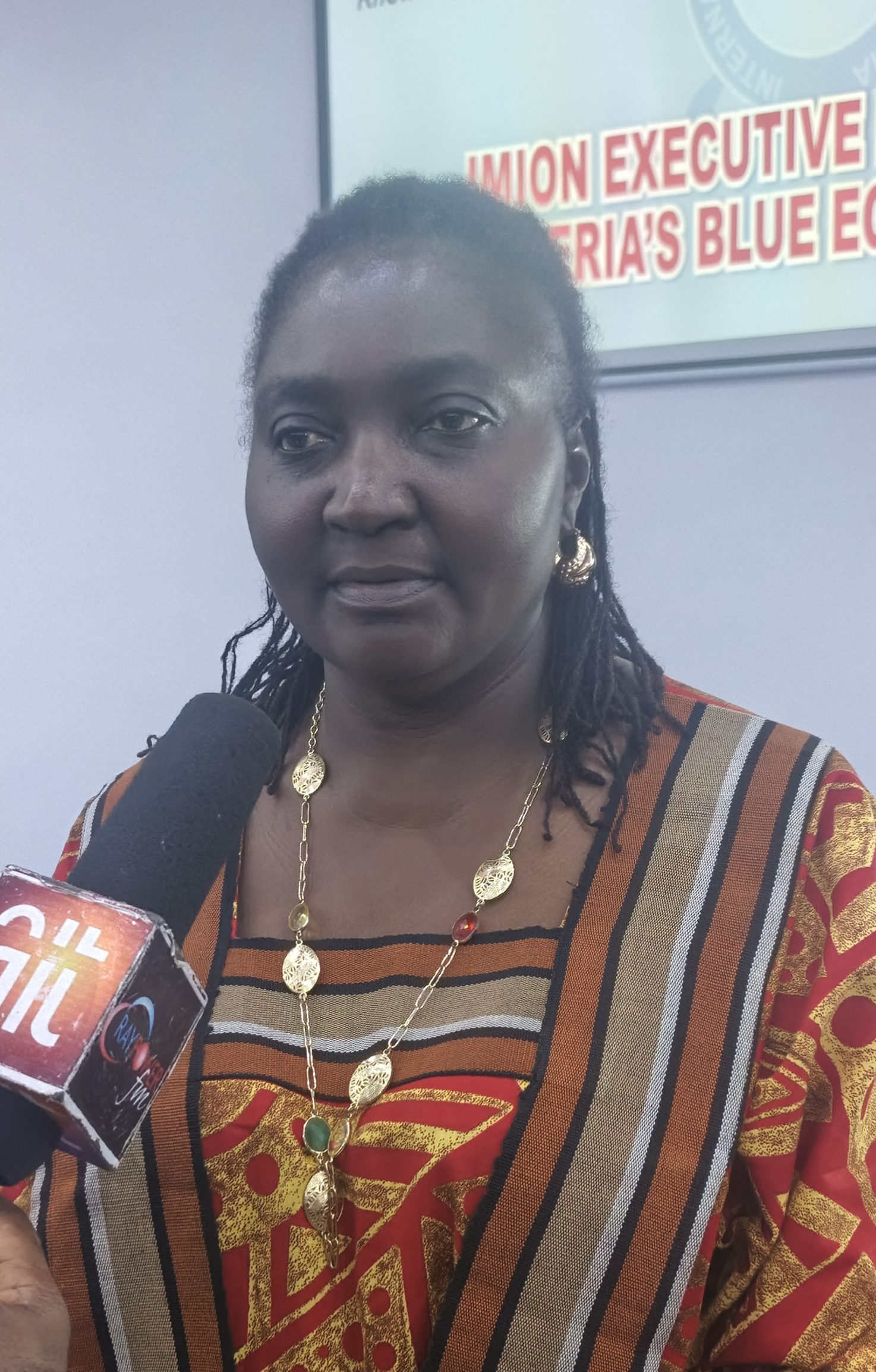
Mrs Lilian Ode of the Reform Coordination and Strategic Management/Blue Economy Unit of NIMASA has declared that Nigeria must now move decisively from policy dialogue to measurable implementation in its blue economy drive.
She spoke at the close of the International Maritime Institute of Nigeria’s Executive Programme on Nigeria’s Blue Economy Policy held in Apapa, Lagos, describing the three-day engagement as a turning point for the sector.
According to her, the programme provided a compelling platform that deepened understanding and sharpened focus on the nation’s vast marine and coastal opportunities.
Ode noted that the sessions, which ran from April 15 to April 17, brought together a wide spectrum of stakeholders, reflecting what she described as a growing national urgency.
She said the quality of discourse and diversity of participation underscored the seriousness with which Nigeria must now approach the blue economy agenda.
Speaking as a participant nominated by NIMASA, she described the programme as intellectually enriching and strategically relevant.
“It has been a wonderful three-day programme,” she said, adding that the experience had expanded her insight into the practical pathways for advancing the blue economy.
Ode stressed that the sector represents a major shift in Nigeria’s economic direction, describing it as the “new gold” capable of reducing dependence on oil revenues.
She explained that the knowledge gained would inform stronger recommendations to government and relevant agencies on sustainable implementation strategies.
The NIMASA official disclosed that her unit is already rolling out targeted sensitisation programmes across key regions.
She emphasised that these initiatives are designed to reach grassroots communities, particularly those located along coastal and inland waterways.
According to her, many of these communities remain unaware of the blue economy despite being central to its success.
She expressed confidence that sustained awareness campaigns would bridge this knowledge gap and encourage inclusive participation.
Ode added that once these sensitisation efforts gather momentum, they would significantly reshape public perception and engagement with the sector.
She concluded that the strong attendance by maritime stakeholders, paramilitary agencies and members of the public at the IMION programme signals a rising collective resolve to translate policy into tangible national gains.