
Nigeria’s governance system faces a critical dilemma at its foundation, the local level. Across the country, the majority of local councils and communities have become ungoverned spaces, suffering from administrative decay and ineffective service delivery.
For governance to truly work for citizens, it must begin where people live at the community level. Local governance should not only be about political representation, but about ensuring access to social services, inclusive participation, and sustainable community development.
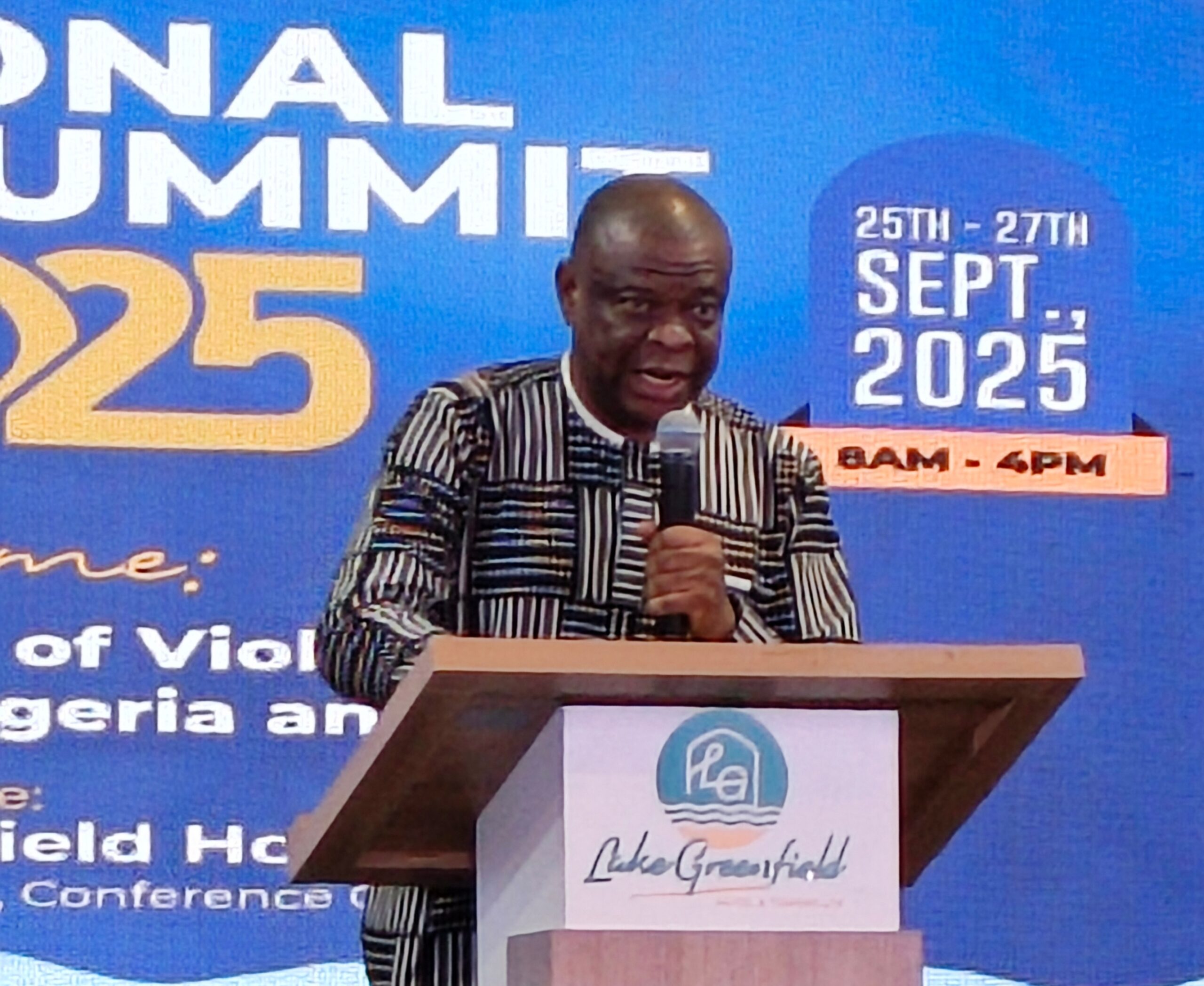
In his reflections, Mr. Jaye Gaskia, a governance reform advocate and public policy expert, argues that Nigeria urgently needs to reimagine and restructure local governance to empower communities, strengthen democracy, and revive public trust in government.
The 1999 Constitution of the Federal Republic of Nigeria (as amended) provides the legal framework for governance at all levels. Chapter 2, Section 14(2)(b) makes it explicit that:
“The security and welfare of the people shall be the primary purpose of government.”
This constitutional declaration identifies the delivery of basic social services, healthcare, education, housing, livelihoods, and security as the essence of governance. The “Fundamental Objectives and Directive Principles of State Policy” further guide how governments must operate to achieve these goals.
According to Mr. Gaskia, when government actions at any level deviate from these principles, they undermine the constitutional intent and fail to fulfill the primary purpose of governance.
Over the past two decades, Nigeria’s local government system has been systematically weakened. Many local councils today exist only on paper, deprived of autonomy, resources, and institutional capacity.
This erosion contradicts Section 7 of the 1999 Constitution, which guarantees the existence of democratically elected local councils and assigns them clear roles in economic planning and community development.
Democratically elected councils: No unelected caretaker committees.
State responsibility: Each state must establish local councils through its laws.
Economic participation: Local councils must contribute to state development planning.
Voting rights: Eligible voters in state elections must also vote in local elections.
Financial autonomy: Councils are entitled to statutory allocations from both federal and state governments.
Despite these provisions, many state governments have turned local councils into administrative appendages denying them independence, delaying elections, and mismanaging local resources.
“When local governments fail, governance fails,” says Mr. Gaskia. “We cannot talk about national development without rebuilding governance from below.”
Beyond the dysfunction of local councils lies an even deeper vacuum, the absence of formal community administration systems.
Historically, pre-colonial Nigeria had vibrant community structures that managed justice, welfare, land, and conflict resolution. These were replaced and weakened over time by colonial and post-colonial policies that centralized authority, co-opted traditional institutions, and eroded community agency.
Today, most communities lack formal administrative mechanisms to manage local affairs or deliver essential services. This has created governance vacuums, spaces where neither government nor community structures provide basic needs such as waste management, local security, health centers, or schools.
“Without empowered community administrations,” Gaskia explains, “the concept of local governance remains incomplete.”
To bridge this gap, Mr. Gaskia proposes a new framework, one that integrates community-level administration into Nigeria’s constitutional and governance structure.
This can take two possible forms:
1. Four Levels of Government: Federal, State, Local Council, and Community; or
2. Three Levels of Government with Four Tiers of Administration: Federal, State, Local, and Community Tiers.
Under this system, Community Administrations would be democratically elected, with traditional rulers playing strategic oversight roles. They would:
Manage community development plans; Coordinate service delivery with Local Councils; Maintain registers of residents for planning and security purposes; Oversee community infrastructure such as water supply, sanitation, and local roads.
Local Councils, in turn, would coordinate across communities just as state governments coordinate across local councils ensuring synergy, data sharing, and collective planning.
The sustainability of this reform depends on a robust funding structure. Gaskia recommends three key mechanisms:
1. Community Administration Fund: A statutory fund contributed to by federal, state, and local governments, as well as regional development commissions.
2. Constituency Development Pool: Lawmakers’ constituency project funds should be consolidated and aligned with approved community and local development plans.
3. Revenue Sharing Formula: Locally generated revenues should be shared between local councils and communities based on derivation principles, ensuring fairness and transparency.
With clear roles, defined responsibilities, and transparent funding, this model could transform how Nigeria delivers public services and strengthen democratic participation at the grassroots.
Rebuilding Nigeria’s governance architecture must begin from the bottom, the community. The local level is where democracy meets development, and where citizens experience the impact (or absence) of government.
“We must empower communities to administer themselves,” emphasizes Jaye Gaskia. “Only by reimagining local governance can Nigeria build a truly people-centered democracy, one where every citizen, in every village and town, feels the presence and impact of government.”