
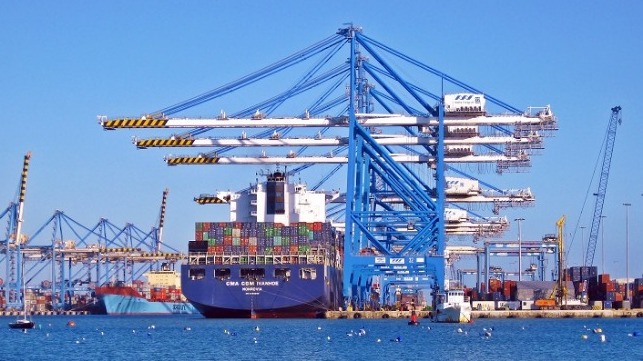
Lagos, Nigeria’s commercial nerve center and Africa’s fastest growing media hub, plays host to a diverse and dynamic group of professionals who shape public discourse, hold power to account, and bridge information gaps across industries. Among these are maritime journalists, a crucial but often overlooked segment of the media whose contributions to the nation’s blue economy and global trade understanding are deeply underappreciated.
Underpaid And Undervalued: The Plight of Maritime Journalists
Maritime journalists specialize in reporting on ports, shipping, marine economy, naval issues, and the complex web of commerce that sustains Nigeria’s international trade 80% of which passes through Lagos ports. Despite the technical knowledge and expertise required to operate in this niche, many of these journalists are grossly underpaid, especially compared to their counterparts in politics, business, or entertainment journalism.
Their stories often require in depth research, access to restricted zones, and understanding of legal and environmental frameworks governing maritime operations. Yet, the financial reward for this demanding labour is minimal. Many are freelancers or correspondents without stable contracts, forced to juggle multiple roles or resort to “media hustling” to survive.
Used And Ignored: Stakeholder Negligence
What makes this situation worse is the pattern of neglect by stakeholders, terminal operators, shipping lines, port authorities, government agencies, and maritime associations, who leverage these journalists for publicity but offer little or no compensation or professional respect in return.
When stakeholders launch new vessels, initiate reforms, or host events, maritime journalists are invited to cover these stories, often under short notice, with no transport or support. Their presence is essential to amplify the achievements of these players, but once the spotlight fades, so does the recognition. There are no retainer fees, no press allowances, and rarely any invitations to strategic stakeholder consultations or trainings that could empower the journalists further.
Lagos As A Media Hub: A City That Should Know Better
It is ironic that Lagos, a city known for its vibrant media ecosystem, continues to marginalize this critical niche. With over 50 active media houses, dozens of maritime related institutions, and being home to two of Nigeria’s busiest ports, Apapa and Tin-Can Island, Lagos should be setting the standard in rewarding and recognizing maritime journalism.
Unfortunately, the glamour attached to other journalism beats (politics, crime, lifestyle) often overshadows the silent but essential work maritime journalists do. As a result, there is no structured award platform dedicated to them, no financial support systems, and no robust union defending their interests.
Why Stakeholders Must Do Better Before It’s Too Late
There is a saying: “We only remember to celebrate a journalist when they die.” This somber truth becomes even more painful when applied to maritime reporters who labour in silence, often with no medical insurance, pensions, or professional development support. The recent cases of maritime journalists falling ill or dying without any stakeholder support should serve as a wake up call.
It is time for the maritime industry to:
Institutionalize regular stipends or partnerships with maritime journalists covering their beats.
Establish an annual Maritime Media Excellence Award to recognize outstanding reporting.
Provide capacity building opportunities, including local and international training, to deepen their expertise.
Include maritime media in policy discussions and stakeholder forums, not just press briefings.
Ensure press access to reliable, timely data to improve the quality of reportage.
Journalism At Sea Deserves The Spotlight
Maritime journalists are not just storytellers, they are watchdogs of an industry that contributes billions to Nigeria’s GDP. Their reports influence policies, expose corruption, and promote safety on our waters. In Lagos, where trade and transport intersect, their role is even more crucial.
Stakeholders must move beyond tokenism and start investing in, protecting, and celebrating these professionals. They deserve more than condolence messages after death; they deserve dignity, respect, and fair compensation while alive.