
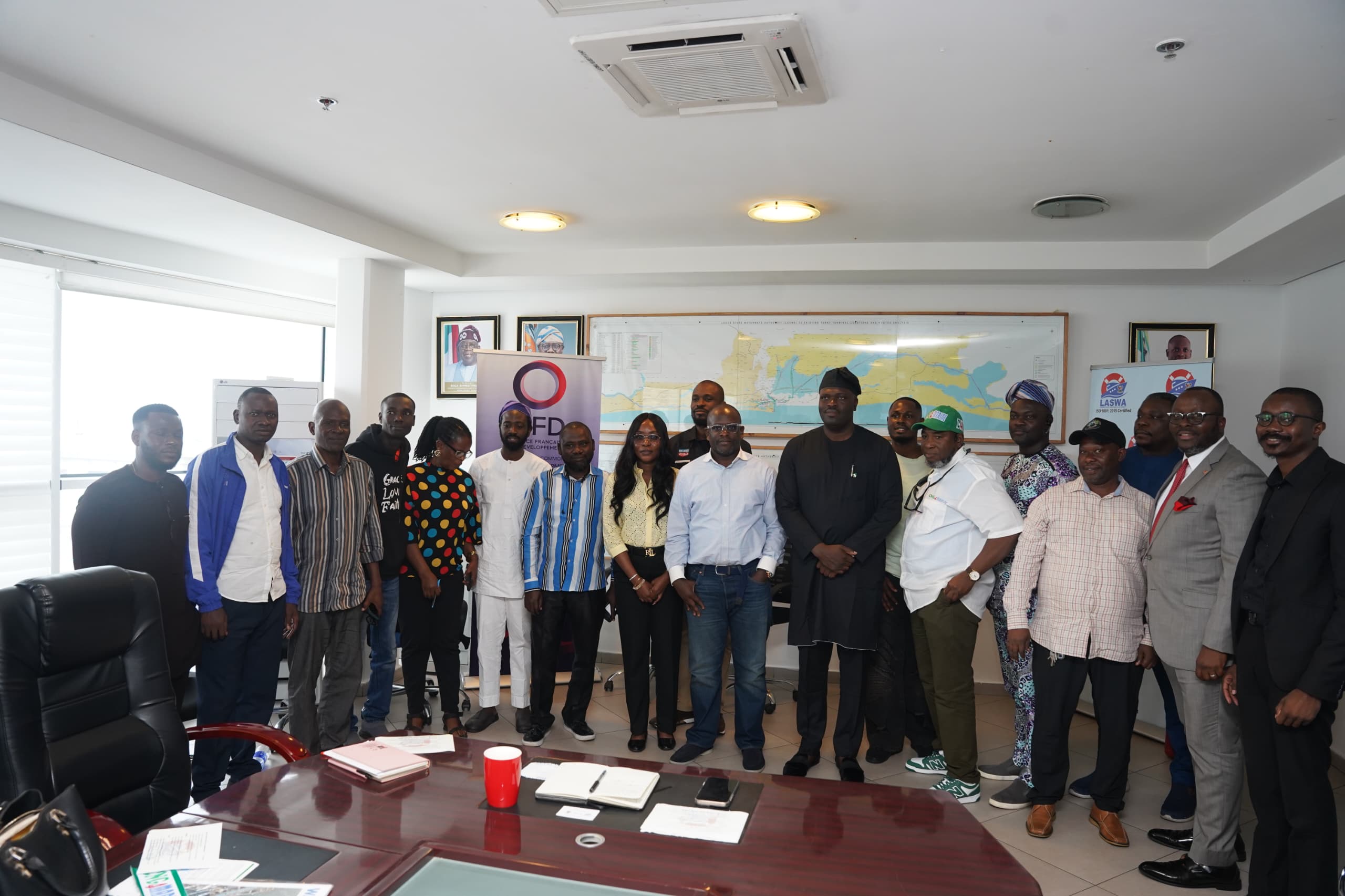
In a major move toward sustainable water transportation, the Lagos State Waterways Authority (LASWA) on Tuesday hosted a strategic meeting with the Presidential Initiative on Compressed Natural Gas (Pi-CNG), RIL Hydro Kraft Limited, and key boat operators and marine stakeholders to explore the adoption of CNG-powered ferries in Lagos.
The engagement, which took place at LASWA’s headquarters in Ikoyi, signals a coordinated effort to align national energy transition goals with the realities of inland water transport. The meeting focused on the feasibility of adopting Compressed Natural Gas (CNG) as an alternative marine fuel and building stakeholder consensus for a cleaner, safer, and cost-effective waterway system.
LASWA General Manager, Mr. Oluwadamilola Emmanuel, in his opening remarks, emphasized the importance of CNG and electric-powered ferries in reducing carbon emissions and enhancing safety and affordability in Lagos’ growing waterways network. “The waterways are central to Lagos’ future mobility. Energy transition is not optional—it is essential to the realization of our transport vision,” he said.
Engr. Michael Oluwagbemi, the Project Director and CEO of Pi-CNG, presented the federal government’s CNG roadmap, citing successes recorded in the road transport sector and outlining opportunities for similar adoption in the maritime space. He pledged federal support in terms of policy frameworks, technical guidance, and funding collaborations.
Mr. Layi Solesi, CEO of RIL Hydro Kraft Limited, delivered a detailed presentation on the conversion of boat engines to CNG, safety protocols, fueling infrastructure, and the long-term financial advantages of switching to gas-powered ferries. He also showcased success stories from similar coastal cities and pledged his company’s support for pilot projects in Lagos.
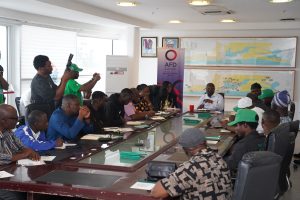
Boat operators who attended the meeting raised key concerns about affordability, engine conversion, access to fueling infrastructure, and long-term maintenance. In response, both LASWA and the federal delegation assured them of a gradual, inclusive rollout supported by training, incentives, and broad stakeholder engagement.
The initiative marks a key milestone in LASWA’s commitment to greener transport solutions and underscores its role as a regulator fostering collaboration between government and the private sector for a more sustainable maritime future.