
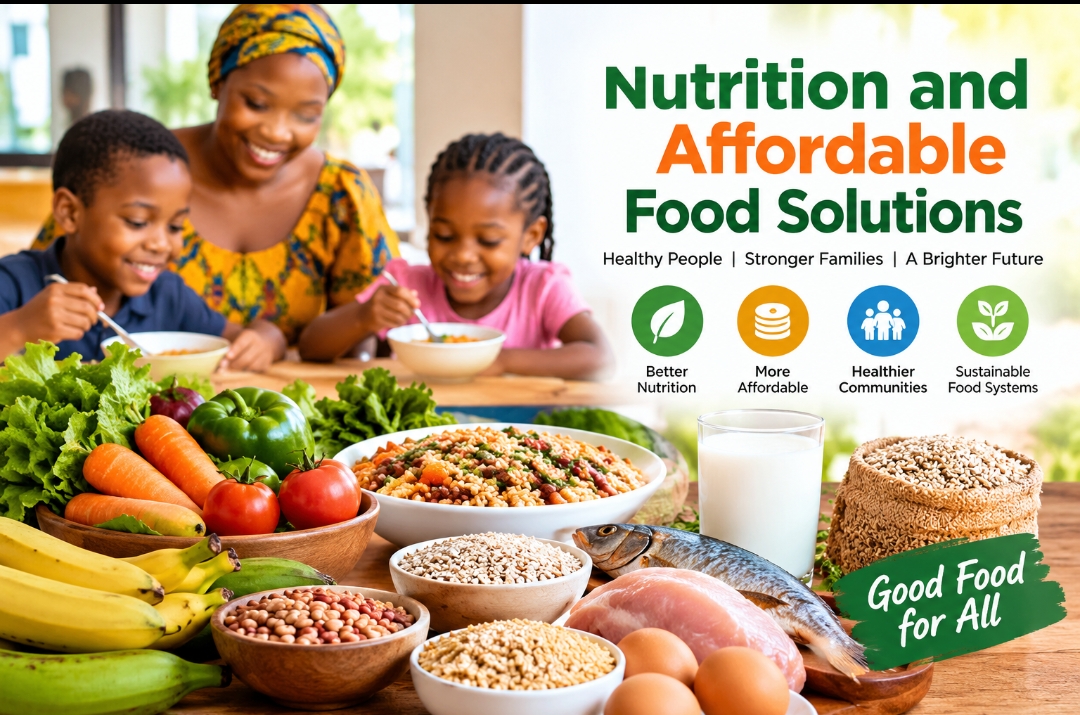
More and more families in Nigeria are finding themselves calculating what they can afford to eat to ensure everyone is satisfied with the meals but also providing them with the nutrients they need.
As many families struggle to manage their expenses with school fees, transport and rent, they may find themselves cutting back on their protein-rich foods, which means less variety.
The main issue here is ensuring they can afford to eat.
According to the National Bureau of Statistics (NBS) in Nigeria, the average minimum cost of a healthy diet increased to ₦1,513 for adults in February 2026, up from ₦1,346 in February 2025. This figure represents the cheapest combination of locally available foods to meet dietary guidelines. It excludes any cost related to transport and cooking.
This can cause issues for a family with multiple members.
Nestlé Nigeria Plc has been working to increase accessibility to certain nutritious foods. By innovating some of their products, adding micronutrients and using locally sourced agriculture ingredients, Nestlé are asking important questions about how to make nutritious food easier and more affordable for the food industry in Nigeria.
Making Nutritious Food Easily Available
One of Nestlé’s recent innovations is Golden Morn 3in1. This ready to eat breakfast includes maize and soya cereal with milk. To prepare the dish all you have to do is add water.
Golden Morn has been used by Nigerians in their breakfasts since 1986. However, the 3in1 aspect combines the key elements of a breakfast meal into one product.
Nestlé Nigeria stated when launching the product that it was developed over a 2 year period using research and insights. They also set the retail price of the 45g sachet to ₦300, claiming it reduced the cost of a meal using Golden Morn by up to 32%.
It also contains GRAINSMART Protect, a combination of iron and vitamins. It also contains protein, calcium and fibre.
As nutritious food is an ongoing issue in Nigeria, this product combines both the cereal and milk together to make it much easier for consumers.
However, we must consider if this product is still accessible to the target families.
This shows an attempt to solve this issue but there is more to discuss.
Double the Benefits Using Milk and Soya
Nestlé Nigeria have also been working to make nutritious food more affordable.
In October 2023 Nestlé introduced Nido Milk & Soya. This instant powder contains milk and soya and has added iron. This product also contains protein, calcium, vitamin C and fibre.
The inclusion of soya is key.
This product was developed by local experts at Nestlé’s regional R&D centre in Abidjan, Cote d’Ivoire. As it uses locally sourced soya beans it is produced in Nigeria itself. This makes it an affordable option for drinks and cereals. Nestlé have also stated that as it uses local resources it can help local farmers.
This can provide a benefit to the local area. If locally sourced agriculture is used then it can create market opportunities for farmers by creating demand for soya beans. This can also help manufacturers create local supply chains.
However, this depends on a few factors. Including the demand for the product, the price farmers receive for their produce, production costs and the savings that are actually passed onto the retail price.
Local sourcing plays a key role in this, however we need to see if there are benefits to the farmers.
Plant Based Alternative Providing Protein
Another product Nestlé have developed to make nutritious food more affordable is Maggi Soya Chunks. This plant based alternative provides protein.
This product is highlighted by Nestlé Central and West Africa. It is made from soy and is an affordable alternative to animal proteins. It contains enough protein for up to 8 people.
This can help families looking to add some variety to their protein.
However, this can also help food vendors and small restaurants. The cost of the ingredients can affect the price of their meals. Whether this provides any real savings depends on the actual retail price, portion size and how easy it is to prepare compared to locally available alternatives.
This is an important consideration. As consumers are becoming more aware of how much they are paying for their products, they will want to know how much value they are receiving.
Nutritious food should be measured by how accessible it is for families.
Adding Micronutrients
These products are important as they help overcome issues caused by micronutrient deficiencies. Even if people are consuming adequate calories, deficiencies can cause issues. For example, iron is vital in producing haemoglobin. Without enough iron you can become anaemic which can affect your concentration, physical performance and overall well-being.
Nestlé have identified iron, iodine, zinc and vitamin A as key micronutrients to add to their products in Central and West Africa. They are adding specific vitamins and minerals to products people already consume.
The benefit of this is that it can reach a wide audience. It doesn’t rely on consumers buying additional supplements or dramatically changing their diets. It simply adds specific nutrients to what they are already eating.
However, fortified foods should be used to supplement a varied and balanced diet. Children, pregnant women, adults and other groups will all have different nutritional requirements and no one product can provide everything your body needs.
Education is important here. Consumers need to know the nutritional content of the products, how much to eat and how they can fit into their overall diet.
We need to consider if this strategy is actually helping those struggling to afford nutritious food.
Making Nutritious Food More Affordable
Nestlé Nigeria have developed innovative products to tackle local nutritional issues. By adding certain nutrients, fortifying, making it more convenient and using local agricultural ingredients they can create products that help increase the affordability of nutritious foods.
However, this isn’t the only factor affecting the price of food in Nigeria.
There are many factors involved with the price of food. Farming, transport, energy, processing, packaging and margin. All of these can affect the price.
We need to consider if these solutions are actually helping. Are they available in local shops and markets? Are they affordable for low income families? Are consumers aware of how nutritious they are? Are farmers benefiting from local sourcing? Are they actually saving money?
Even if the product has been formulated with nutrition in mind, they may not be accessible to those who need them the most.
We also need to consider that nutritious food may not be affordable. Whilst one product may be cheap, a healthy diet requires variety. Fruits, vegetables, legumes and the correct protein sources are all required.
All parties involved need to work together. Manufacturers, government agencies, farmers, nutritionists and retailers. Whilst product innovation can be a part of the solution, they need to work within a food system that helps provide nutritious food at an affordable price, educate consumers and provide reliable access to nutritious ingredients.
Measuring How Many Families Are Being Helped
Nestlé Nigeria have created some great products to help with this issue. Golden Morn 3in1, Nido Milk & Soya and Maggi Soya Chunks all show how they can help create variety by combining familiar ingredients with specific nutrients and convenient formats.
However, we need to consider if these are truly helping by being affordable. Independent research should be conducted to understand how much they are helping. Comparing the retail price and understanding how often low income families are purchasing them.
As the cost of maintaining a healthy diet is causing pressure on families in Nigeria, this information is vital.
Ultimately nutritious food should be measured by how accessible it is for families. Not how many products there are or how many nutrients are included.
Nestlé Nigeria and the food industry as a whole need to ensure that they can provide nutritious innovation to help those sitting around Nigerian tables.