
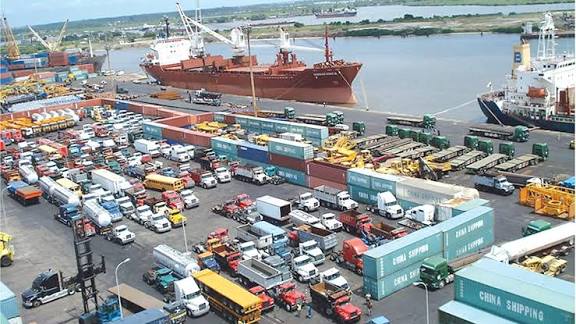
The League of Maritime Editors (LOME) has unveiled an ambitious 2026 media agenda aimed at accelerating Nigeria’s marine and blue economy as a critical driver of national growth, positioning the sector to play a leading role in boosting gross domestic product (GDP) amid the declining fortunes of oil and gas.
The League, a coalition of senior maritime journalists, said the agenda is designed to support ongoing reforms, strengthen public accountability and ensure that government agencies in the sector deliver measurable results. It pledged sustained, solution-driven coverage that will spotlight progress, expose systemic bottlenecks and convene stakeholder dialogue to fast-track industry growth.
In a statement jointly signed by its President, Mrs. Remi Itie; Secretary General, Mr. Felix Kumuyi; and Public Relations Officer, Mr. Francis Ugwoke, the League noted that Nigeria’s maritime sector possesses the scale, assets and strategic relevance to emerge as a cornerstone of national GDP, provided reforms are effectively implemented and tracked.
According to the League, the oil and gas sector once the backbone of the economy has lost significant ground, making it imperative for the marine and blue economy to assume a more central role in driving sustainable growth, as seen in other leading maritime nations.
LOME stressed that reforms implemented over the past two years, alongside the growing emphasis on key performance indicators across the sector, have created a foundation upon which the blue economy can anchor Nigeria’s economic recovery and expansion. It added that available official data on capacity development, aggregate growth indices and policy frameworks point to 2026 as a potential turning point in the country’s quest for economic stability and long-term prosperity.
“As a responsible professional body, the League is committed to partnerships that promote value addition through credible reportage, informed analysis and a sustainable outlook that strengthens stakeholder confidence, both locally and internationally,” the statement said.
The League further reaffirmed its social responsibility as a media institution, pledging to uphold the trust reposed in it by delivering accurate, balanced and objective reports that support development initiatives while providing rigorous industry analysis capable of shaping economic appraisal through dialogue and engagement.
LOME emphasised that government agencies operating within the maritime and blue economy ecosystem must be supported and held to higher standards of responsiveness and accountability. These include the Nigerian Ports Authority (NPA), Nigerian Shippers’ Council (NSC), Nigeria Customs Service (NCS), National Inland Waterways Authority (NIWA), Maritime Academy of Nigeria (MAN), Nigerian Maritime Administration and Safety Agency (NIMASA), and the Council for the Regulation of Freight Forwarders of Nigeria (CRFFN).
As stakeholders in the Nigerian project, the League called for stronger alignment between policy pronouncements and measurable actions, noting that the media has a duty to track efficiency, outcomes and impact in a consistent and credible manner that builds trust and promotes progress.
The League expressed firm belief that every agency in the sector must commit to making 2026 a year of strategic turnaround, marked by higher yields, improved cost efficiencies and tangible deliverables rather than rhetoric.
“It should be a year of productive growth, with results clearly evident in overall economic performance,” the statement added.
Specifically, LOME said the Nigerian Ports Authority must prioritise port modernisation and investments in green port infrastructure to enhance competitiveness and sustainability.
The Nigeria Customs Service was urged to make the National Single Window project fully operational in real time to significantly improve trade facilitation and ease of doing business.
NIMASA, according to the League, should intensify focus on maritime safety and security while ensuring full implementation of International Maritime Organisation (IMO) conventions.
The Nigerian Shippers’ Council was advised to strengthen its role in economic regulation with greater emphasis on tariff transparency and dispute resolution.
For NIWA, the League underscored the need to improve operational safety on inland waterways to reduce boat mishaps and casualties, while advancing dredging, monitoring and regulatory compliance.
The Maritime Academy of Nigeria was tasked with improving training quality and global relevance, with the media expected to track cadet development through simulator training outcomes, STCW compliance and employer feedback.
On its part, the CRFFN was urged to reinvent its relevance, rebuild stakeholder trust and strengthen its core mandate on professional standards and capacity building, with renewed focus on “Forwarders 2.0”, including monitoring of continuous professional development (CPD) hours, certifications and compliance audits.
The League said its 2026 media agenda would remain firmly anchored on accountability, performance tracking and constructive engagement, positioning the blue economy as a catalyst for Nigeria’s economic renewal.